
Blog
Dark Sky Experiences in Ladakh: A Personal Journey Into the Most Spectacular Night Skies on Earth
Explore astronomy in Ladakh through immersive stargazing tours, deeply personal narratives, and unforgettable dark sky experiences in Leh and Hanle, home to some of the world’s clearest night skies.
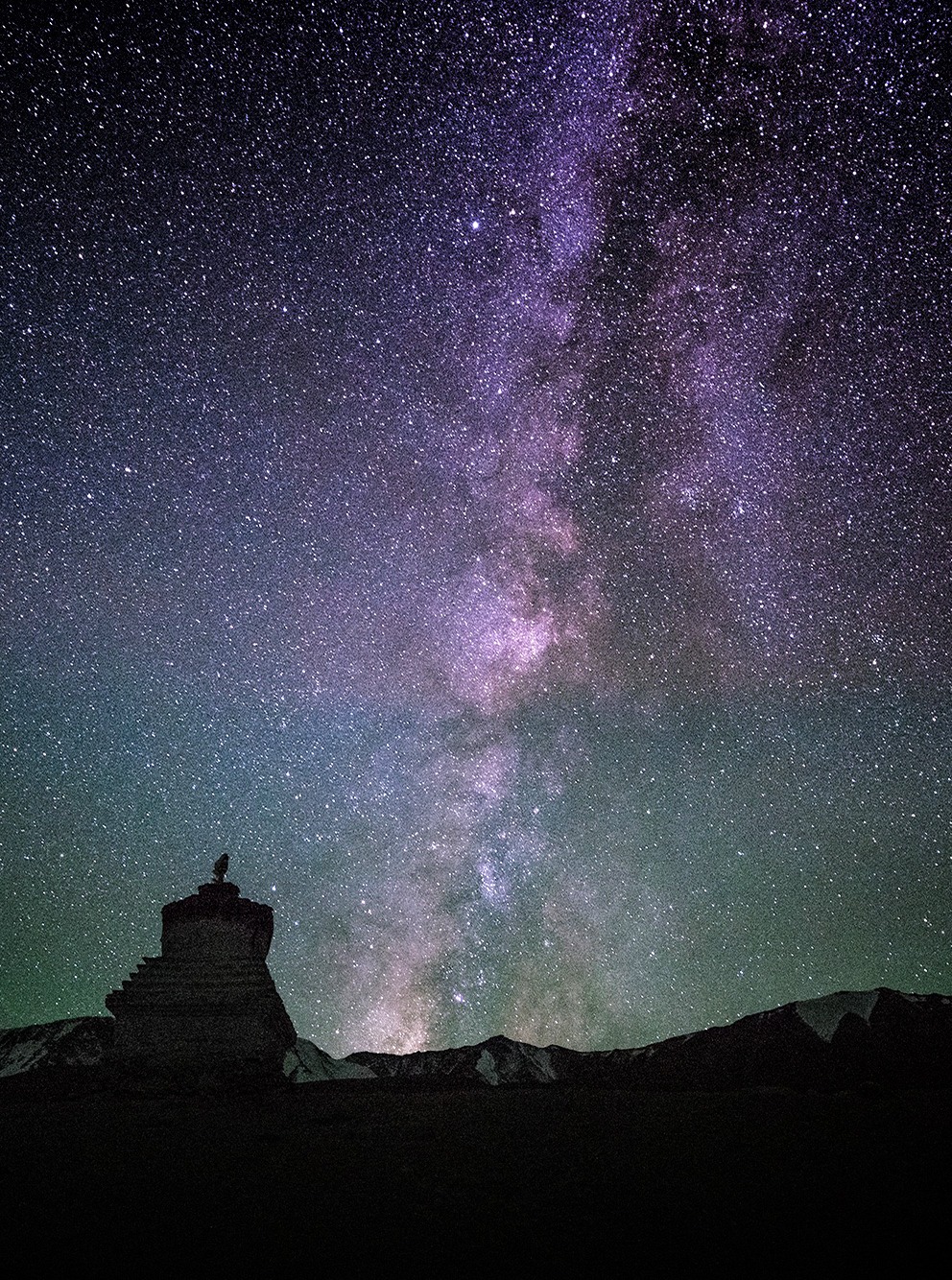
Whenever I think back to my earliest nights in Ladakh, I remember standing beneath a sky so vast and radiant that it felt like stepping into another dimension. At altitudes between 3,500 and 5,000 meters, Ladakh transforms after sunset, revealing a universe that only a few places on Earth are lucky enough to witness. The thin air, dry climate, and near-zero light pollution create perfect conditions for astronomy in Ladakh, allowing the stars to shine with extraordinary clarity. I had seen night skies before, but nothing compared to this celestial canvas where the Milky Way stretches boldly across the horizon, and each constellation feels alive. Learning about the Bortle dark-sky scale only deepened my appreciation—knowing that Ladakh falls into the darkest categories made me realize just how rare and precious this natural wonder is.
The idea for our stargazing tours began on one of those quiet nights, when I found myself mesmerized by the sky long after everyone else had fallen asleep. Friends who joined me were equally stunned, often asking why the world didn’t talk more about Ladakh’s exceptional night skies. That question lingered with me, growing into a desire to share this untouched beauty with others. What started as a simple love for stargazing slowly evolved into our initiative to bring dark sky experiences to travelers from around the world. It wasn’t just about pointing telescopes upward—it was about helping people reconnect with the universe in a way modern life rarely allows.
Our first steps began in Leh, where we hosted small astronomy sessions under a Class 3 sky. Even with slightly more ambient light, the night sky in Leh is breathtaking. I vividly remember the excitement on people’s faces as they identified constellations for the first time, glimpsed planets through our telescopes, and watched the Milky Way spill across the mountains. Those early nights taught me something important: stargazing tours are not just an activity—they are emotional, grounding experiences that bring people closer to the cosmos and to themselves.
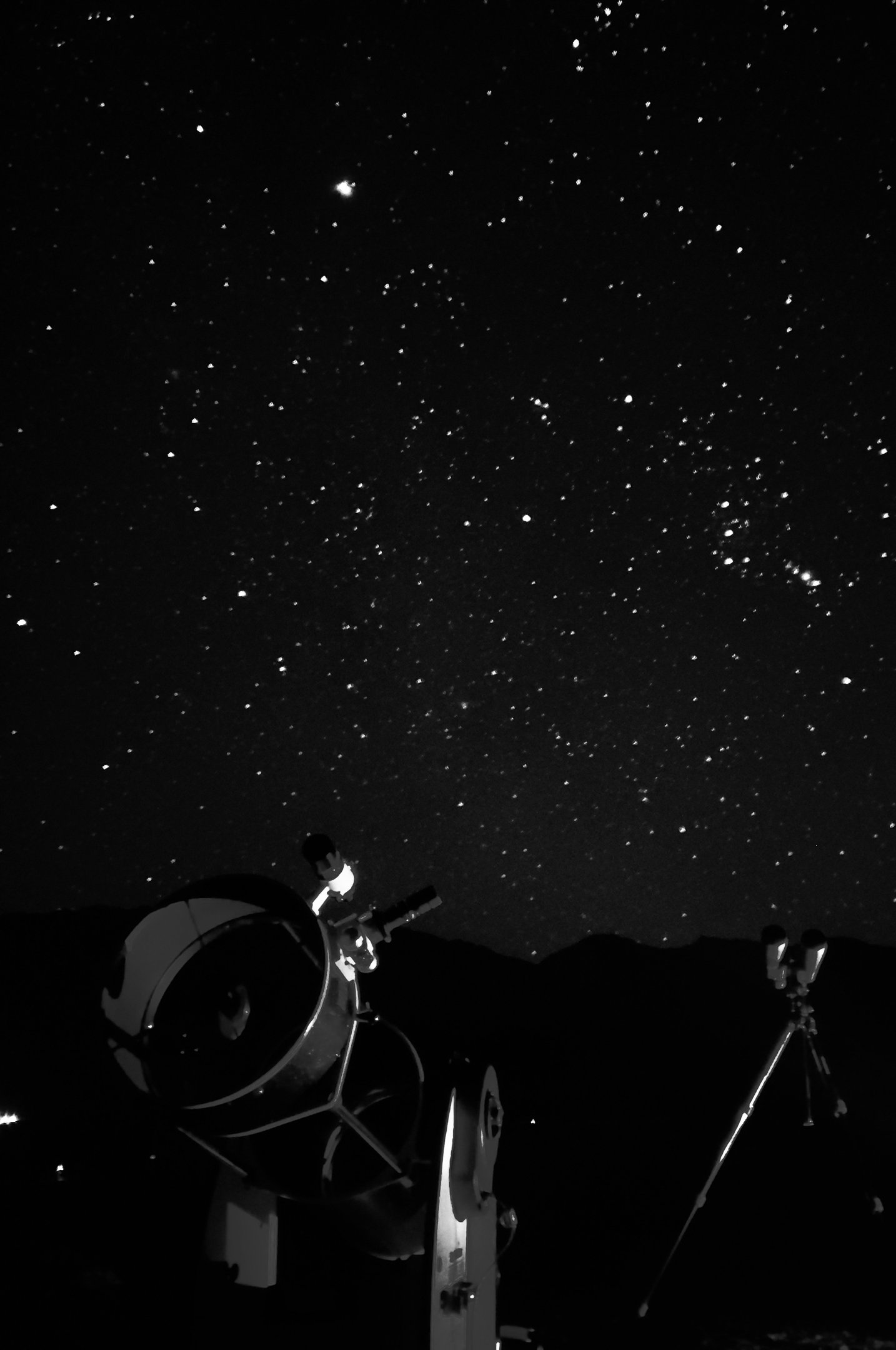
But everything changed when we expanded our tours to Hanle. Reaching this remote village at 4,500 meters feels like crossing into another world. The silence deepens, the air sharpens, and when night falls, the sky becomes nothing short of magical. In 2022, Hanle was declared a certified Dark Sky Reserve, boasting a Class 1 sky on the Bortle scale—the darkest and purest skies known to humankind. Here, astronomy in Ladakh reaches its peak. There is absolutely no light pollution, making stargazing in Hanle a life-changing experience. The first night we set up our equipment here, I watched the sky ignite with stars, shooting meteors, and a Milky Way so bright it cast shadows. Through the telescope, galaxies appeared like swirling whispers of light, nebulae glowed in silent colors, and star clusters sparkled like distant cities. Even seasoned astronomers stood speechless.
It was in Hanle that I truly understood the purpose of our initiative: to showcase the night sky in its purest form, to preserve it, and to help the world see what Ladakh has quietly held for centuries. Each dark sky experience here feels sacred. Guests often stand in awe, sometimes emotional, as they witness the cosmos unveiled like never before. Photographers capture long-exposure shots that reveal the universe in colors and shapes that the naked eye can scarcely imagine. Every photograph becomes a story—a moment where Earth meets infinity.
Today, as I stand beneath Ladakh’s celestial canopy with travelers from all walks of life, I often reflect on how it all began—with a quiet night, a sky full of stars, and a simple desire to share its magic. Our journey into astronomy in Ladakh has become a mission: to help others rediscover their sense of wonder, to bring them closer to the cosmos, and to ensure that these dark sky experiences remain untouched for generations to come.